A Primer
on Power
Building
Two principles are necessary to our work: That community power is essential for addressing inequities and systemic marginalization, and that culture can drive and reflect community power. But what do we really mean when we use terms like “community power,” “culture,” and “power building”? Let’s break it down.
We stand on the shoulders of giants
Before diving in, we acknowledge that our work is grounded in the collective journey of organizers, artists, culture bearers, community leaders, and other experts who have come before us and work alongside us today. Their struggles, creativity, and vision pioneered and continue to shape culture-centered approaches to power building.
This legacy guides our organization and those of our grantee-partners. To explore the creative minds shaping this work right now, visit our Knowledge Commons. The Commons features quotes, writing, and research from leading voices in the field. Thank you.
WHAT DO WE MEAN BY COMMUNITY POWER?
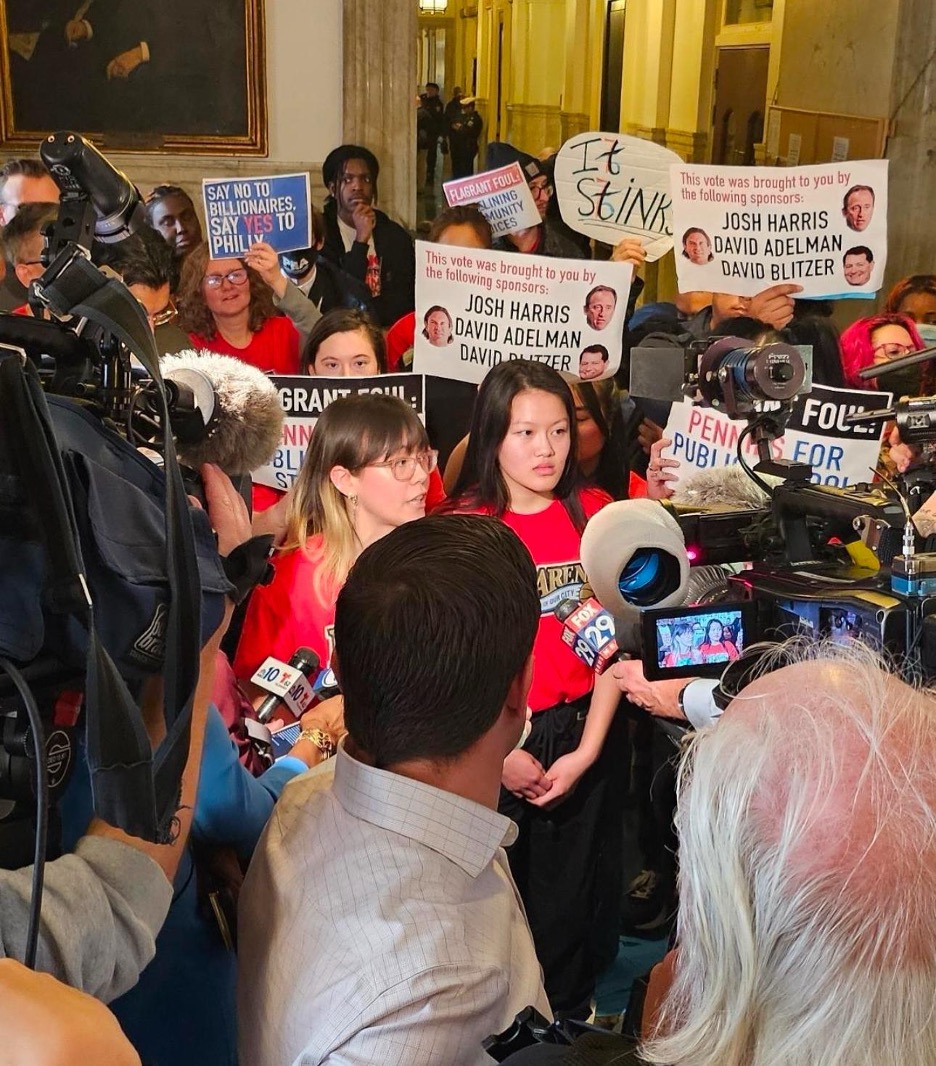
Communities are shaped by a web of intersecting forces. These range from local political decisions—how taxpayer money will be used to fund infrastructure, for example—to broader systems that dictate the distribution of wealth, housing, healthcare, and education. These forces shape not only how a community understands itself but also how it is seen and treated by the world.
All communities everywhere are impacted by these forces, but marginalized communities, such as Indigenous, working class, predominantly Black, and immigrant communities have historically been stripped of the ability to have a say in the decisions and systems that affect them. Instead, those with more political, economic, and social power have led decision-making in the interest of a select few. In the U.S., this has resulted in such inequities as redlining, racially determined health outcomes, high rates of youth imprisonment, wealth disparities, over-policing, and more. [To read more about power and racial capitalism, we recommend the Grassroots Power Project’s Theory of Power.]
Community power is the collective strength to shape the decisions and systems that affect our daily lives.
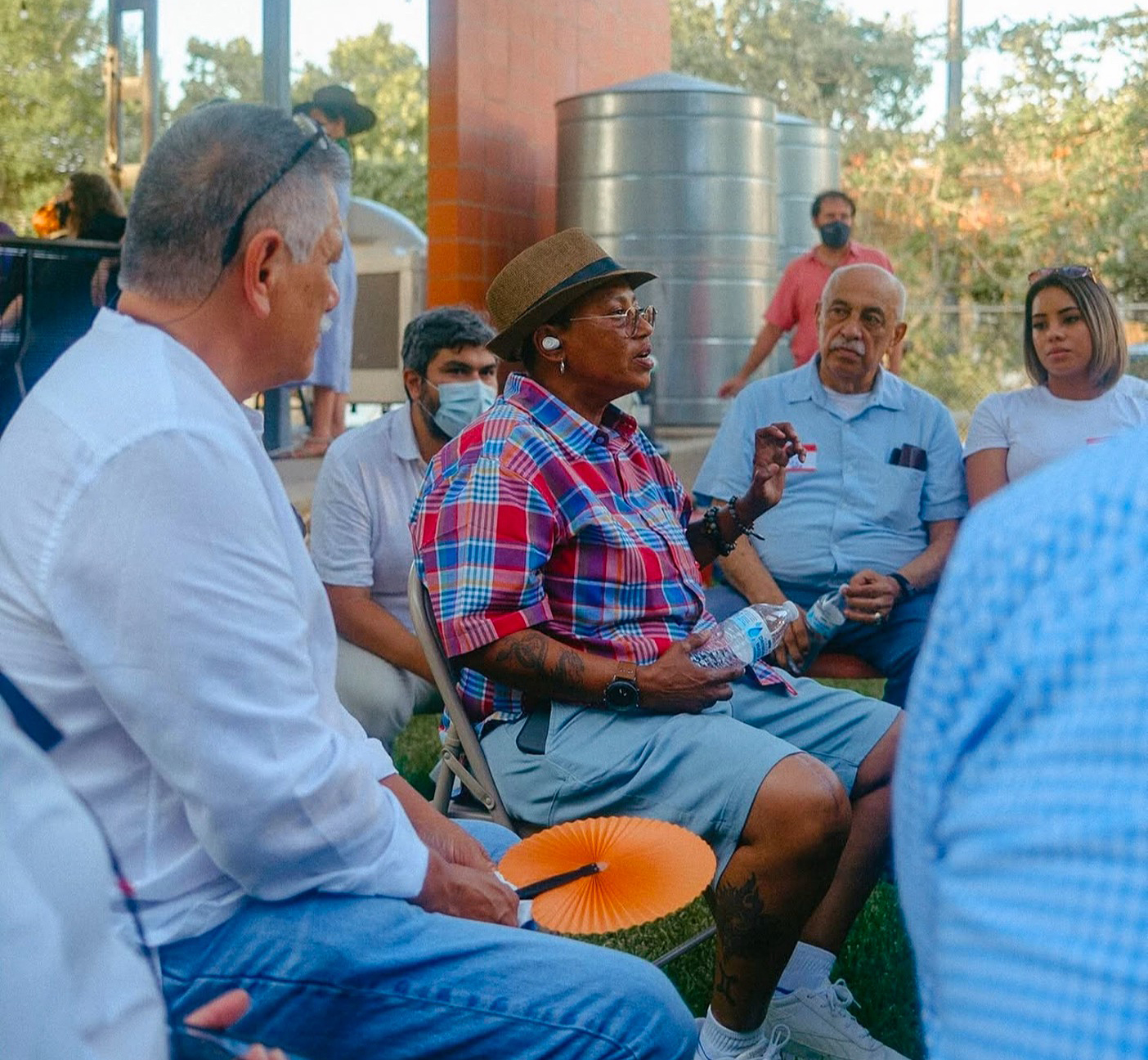
Community power is the ability of those most impacted by structural inequity to join together and set agendas, shift public discourse, influence decision-making, and cultivate relationships that reinforce mutual accountability.* It is a necessary condition for the people to reclaim control. To put it simply, community power is the collective strength to shape the decisions and systems that affect our daily lives.
*This definition is derived from Lead Local’s collaborative definition of community power. For further reading, we recommend Dornsife’s Equity Research Institute’s Primer.
WHY IS IT IMPORTANT THAT COMMUNITIES EXERCISE POWER?

Community power operates across political, economic, and social dimensions. Political power ensures communities have a voice in the decisions that affect them through informed voting, policy-setting, and political leadership. Working alongside the political, economic power keeps revenue and resources circulating locally, rather than exiting the community to flow toward extractive for-profit entities such as multinational corporations, while social power builds trust and solidarity for sustained collective action.
When communities exercise power, they resist external control and move beyond resistance.
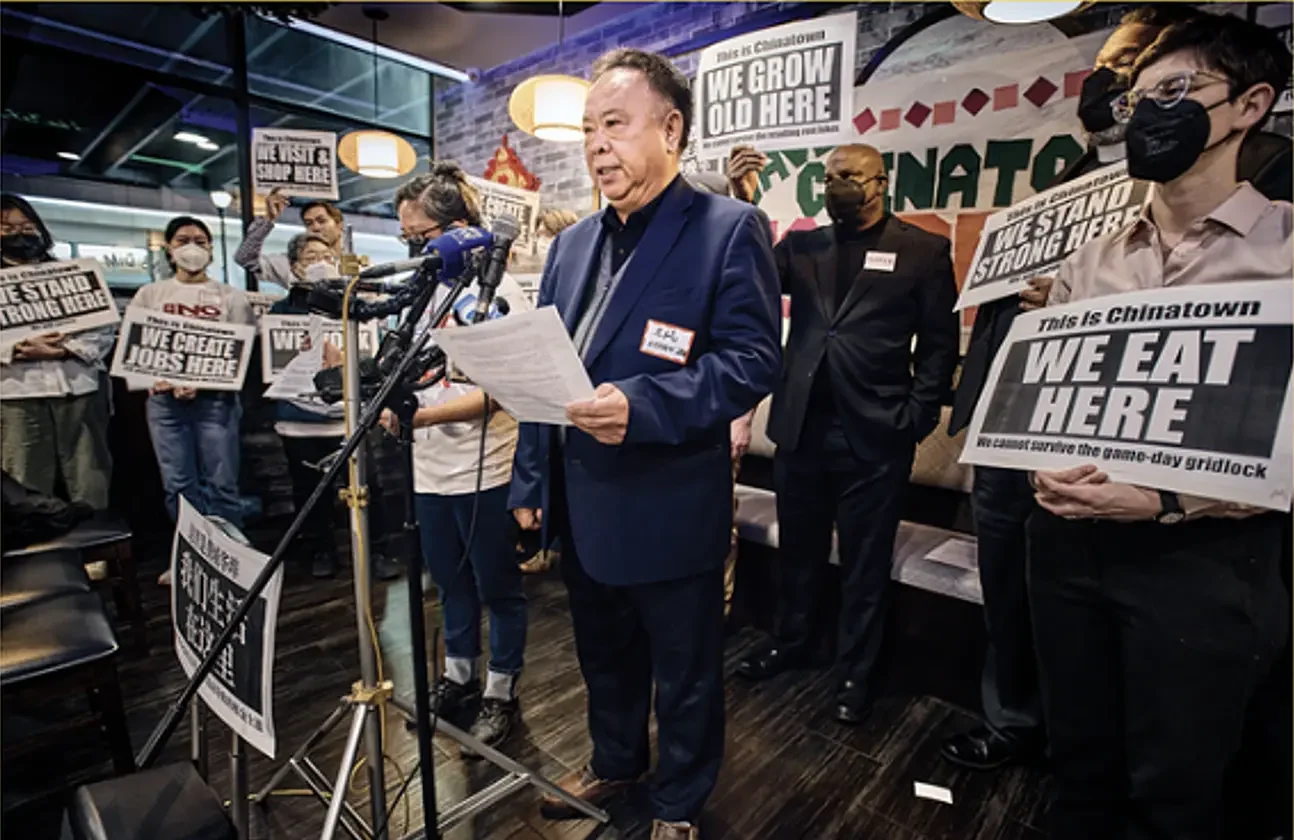
When communities exercise power, they disrupt inequitable dynamics that threaten their survival, dignity, and self-determination. Community power is both historic and future-facing. It is a response to historical injustice, and a mechanism for undoing the harms of colonialism, systemic racism, environmental harm, and economic exploitation.
When communities exercise power, they resist external control and move beyond resistance—they reclaim control over their cultural and material wealth and lead the creation of equitable systems for future generations.
HOW DOES CULTURE FIT INTO ALL THIS?

Culture shapes how people connect, understand our place in the world, and work together. Beyond shared geography or ancestry, it is shared stories, traditions, and ways of living that help us feel like we belong.
Culture influences what people value and how we relate to one another. It shows up in the histories we tell, the symbols and rituals we practice, the language we use, and the spaces where we gather. Culture is more than a backdrop; it is a living force. Importantly, it is also a source of joy and celebration. For Indigenous communities, Black-led movements, and other historically marginalized groups, culture has long been both a tool for survival and a touchstone for thriving.
Culture is more than a backdrop; it is a living force.
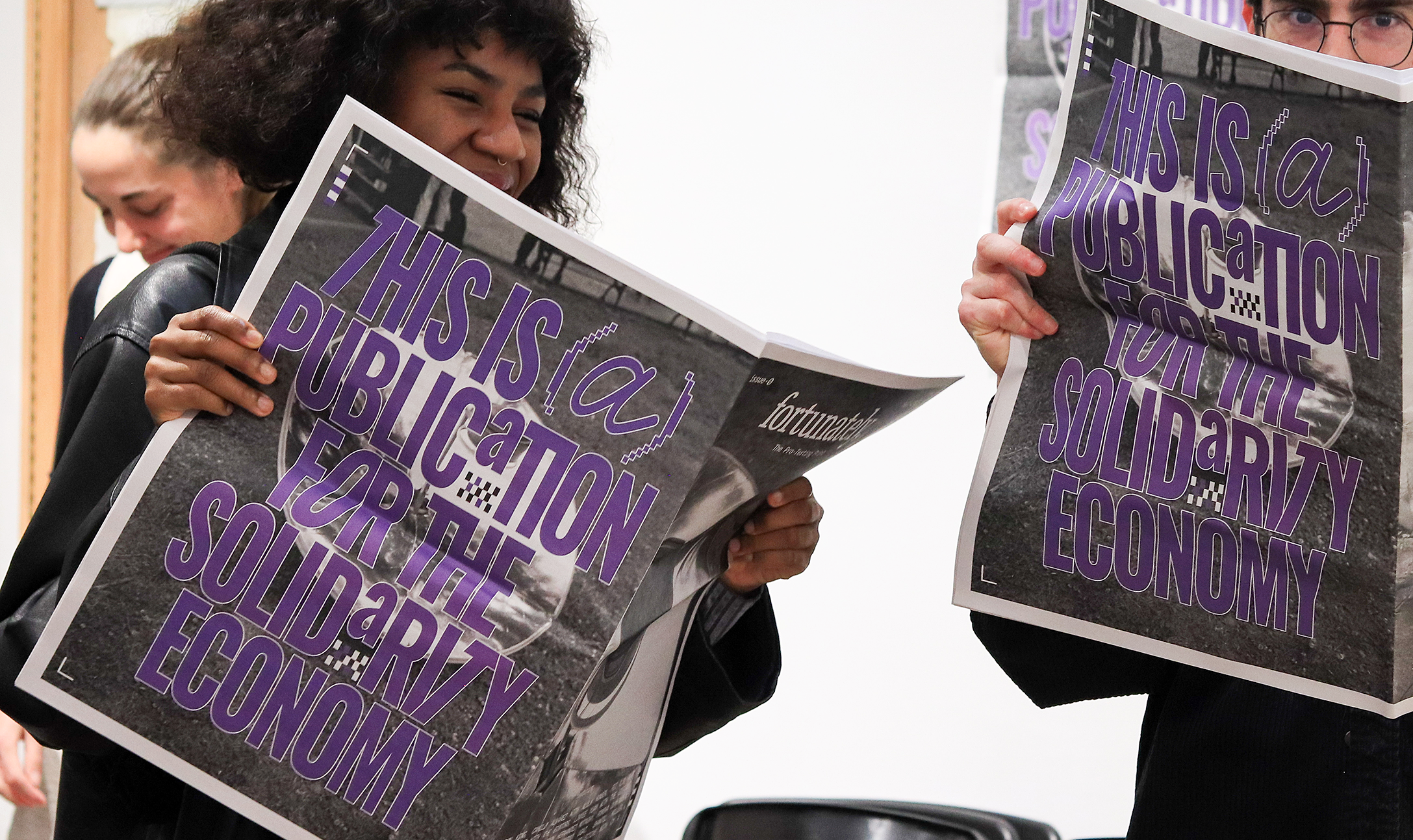
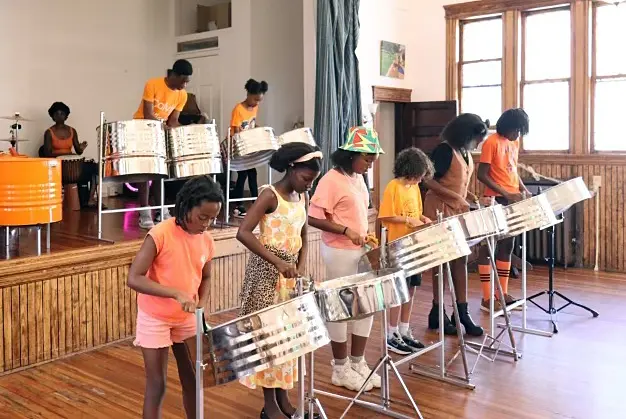
Culture is not just something people inherit—it is something we actively create, sustain, and reshape over time. It shows up in ways that are tangible, including in songs and symbols, and in less tangible ways, as unspoken norms, deeply held beliefs, and ways of understanding time, authority, and belonging.
The benefits of integrating culture in community power building are widespread. Cultural grounding ensures that strategies are rooted in the genuine priorities of the community, and that community members are accountable to each other rather than to external systems of punishment and control. A sense of belonging helps us work together to imagine and create change.
Visit the Knowledge Commons for examples of how culture influences collective action.
HOW DO WE BUILD COMMUNITY POWER?
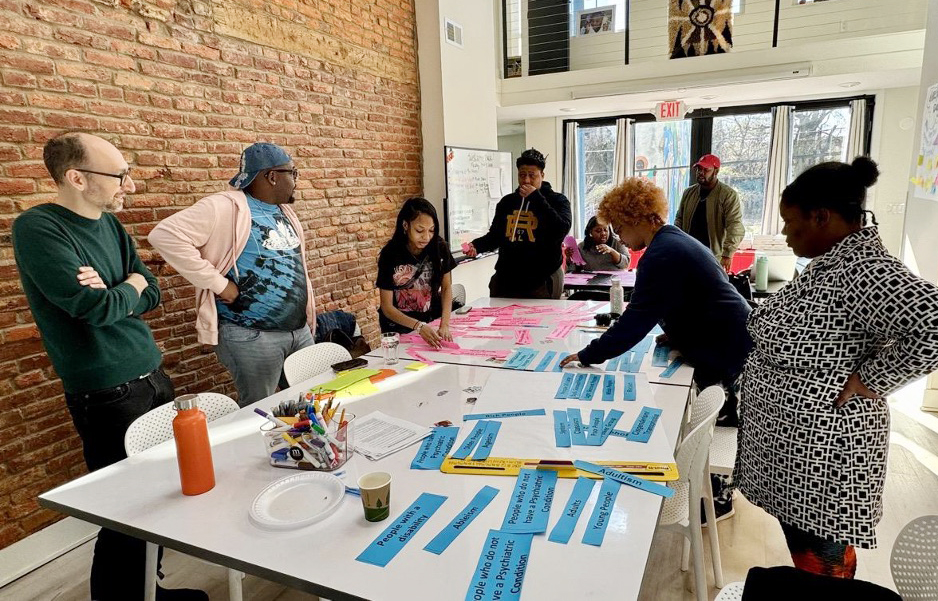
Community power is not given; it is built.
A dynamic ecosystem of people and organizations, including grassroots groups, educators, healthcare providers, faith-based communities, workers, small business owners, artists, media and legal representatives, and families can come together to create structural change from the bottom-up. That is community power building.
Community members must have voice and agency to advocate for their immediate and long-term needs. Power is enduring, not episodic. Community power building isn’t a one-and-done activity; power is shaped and sustained over time through relationships, collective action, and persistence.
Community power building isn’t a one-and-done activity; power is shaped and sustained over time.

These activities are essential in community power building:
- Reclaiming narratives: Shifting dominant stories and archetypes to reflect community truths.
- Base-building: Developing grassroots networks and community infrastructure that support organizing, mobilizing, and sustaining collective action over time.
- Political and historical education: Equipping communities with knowledge about systemic inequities, historical struggles, and shared victories.
- Fostering collective decision-making: Creating inclusive structures that include diverse perspectives.
- Building relationships: Strengthening connections across issues, sectors, and generations to create networks of solidarity.
- Developing leadership: Cultivating leaders who are deeply accountable to their communities and rooted in their struggles and aspirations.
- Securing resources: Establishing community control over financial, physical, and social capital to sustain long-term, transformative change.
For another example of community power building, we recommend Philanthropic Investment in People Power.
COLLECTIVE WISDOM
The Spectrum of Community Engagement to Ownership
“The stronger our local democracies, the more capacity we can unleash to address our toughest challenges, and the more capable we are of surviving and thriving through economic, ecological, and social crises.”

The Importance of Building Narrative and Cultural Power: A Culture Change Primer
“Successful culture change strategies leverage cultural and narrative power in favor of our values, narratives, and the central protagonists of our movement: family caregivers, care recipients, and domestic workers.”

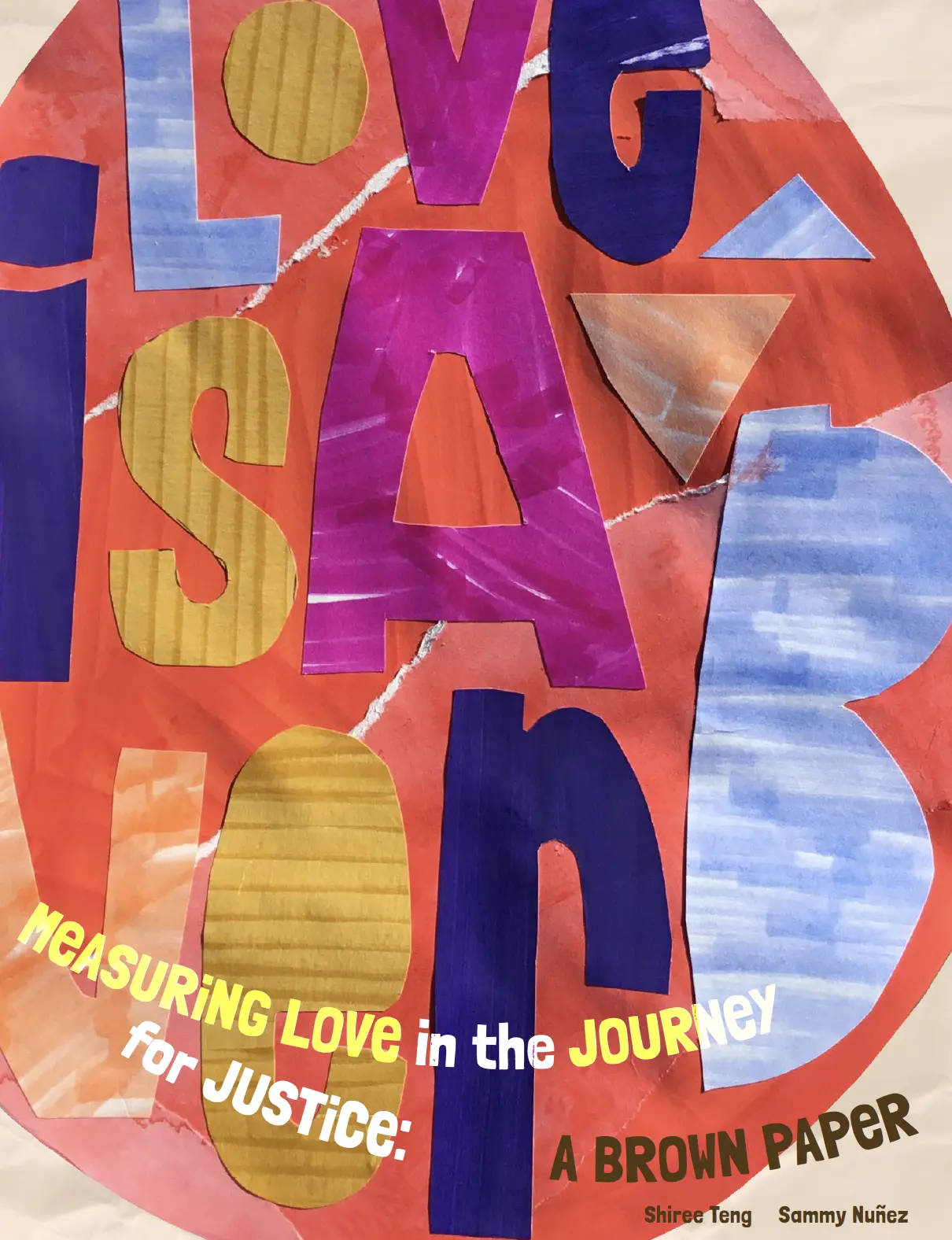
Measuring Love in the Journey for Justice: A Brown Paper
“In this Brown Paper, we call upon love as an antidote to injustice. We call for a catalytic, decolonizing, transformative love. We shine a light on the love that is practiced by communities like Fathers and Families of San Joaquin. We break open what we mean by self love; love for, with, and of others; love that is a community practice; and power fused with love. ”