Our Work
We invest deeply in communities.
For many years, maximizing impact has been about scale—prioritizing the growth of high-profile nonprofit organizations and funding institutions that can serve as many people as possible.
These big, centralized institutions make easy targets. They are more susceptible to political attacks, budget cuts, and legal challenges. When one organization is brought down or falters, everyone relying on that organization is at risk and a major power source is lost.
The Community & Culture Power Fund is taking a different approach.
To achieve genuine, long-lasting impact, we invest in an array of robust, hyper-local organizations and initiatives, in the interest of building strong networks rather than single institutions.
HOW WE WORK
By awarding money and resources to grassroots organizations, we’re building laterally, not vertically.
While the organizations we support aren’t huge, because they are wholly embedded in their communities, they each have a wide, meaningful reach. When we offer them financial support and partnership, they in turn extend those resources to other local organizations, businesses, and individuals. This type of deep investment is often excluded from traditional funding models. We also create opportunities for these hyper-local groups, located all over the country, to meet and learn from each other.
What we’re strengthening isn’t a monolith, but an ecosystem at both the hyper-local and national levels—networks of interconnected organizations that are healthier, more resilient, and better equipped for collective action and decision-making in the long-run.
We use a non-competitive, flexible approach to funding that encourages experimentation and resource-sharing amongst organizations with common goals and visions.
Importantly, this approach is community-led (not just community-centered).
We often refer to our approach as a ‘laboratory’ because it is experimental on two levels.
One: Our partners have room to experiment and learn. Flexible funding in the form of awards (rather than traditional grants) creates an opportunity for our partners to experiment with community power-building approaches. They are encouraged to reach out and collaborate with others in their field or communities, sharing (rather than hoarding), resources and learnings.
Two: We have room to experiment and learn. What we learn from our partners contributes to philanthropic innovation as a whole—we, as a funding organization, learn how to offer more effective, genuine support where it’s most needed.
In the typical grant-making process, organizations are required to compete for funds and, once selected, check specific boxes to access them. Instead of setting a rigid set of requirements for our partners, we follow those closest to the ground and co-design a plan alongside them. We also encourage our partners to experiment with the awards they receive, testing new approaches, forming partnerships, and distributing funds to other stakeholders in their communities.
After money is awarded, we check in on what’s working and what can be improved, share that feedback, and adapt our approach accordingly.
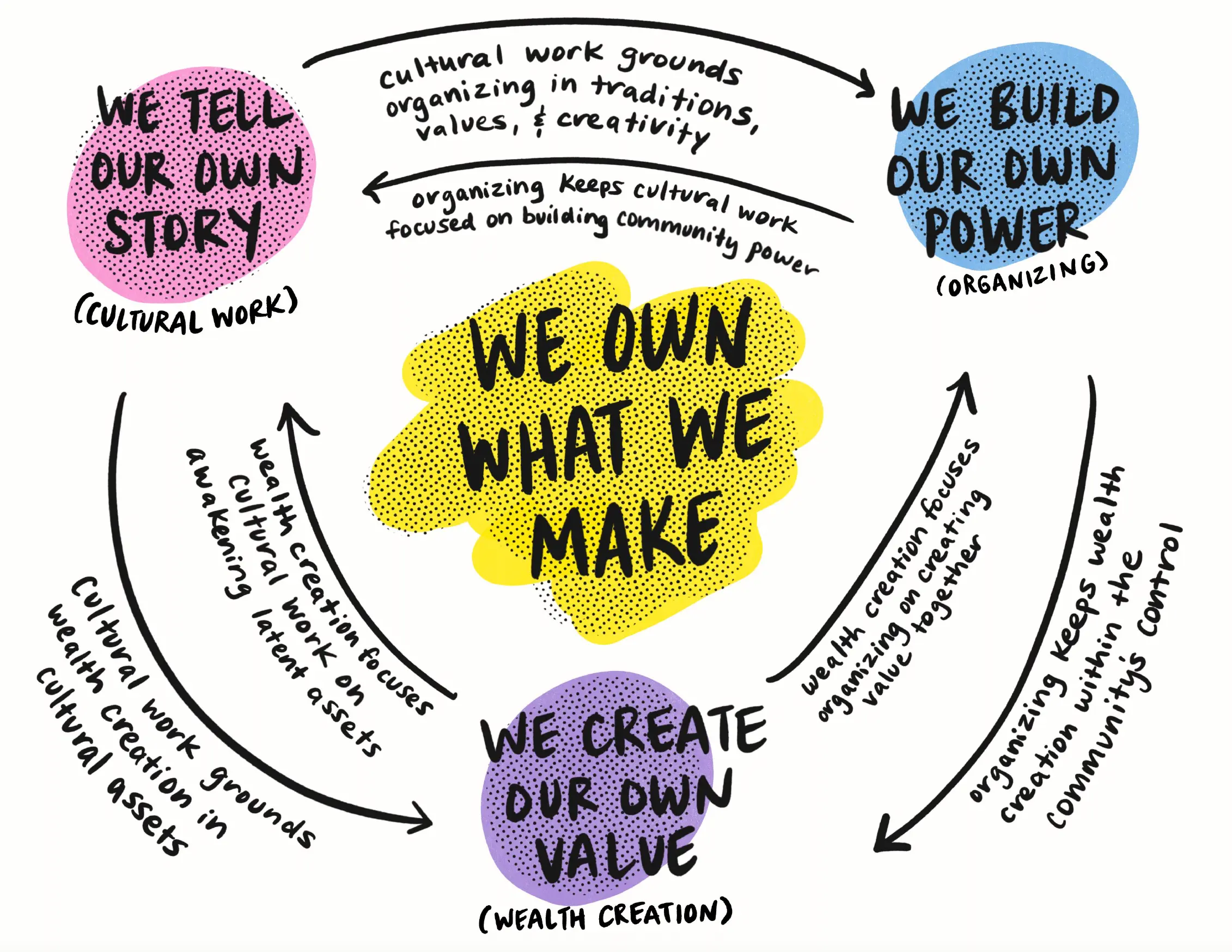
Our funding model ultimately asks: What is the ecosystem of organizations, individuals, and initiatives that needs to be healthy for the community overall to have power?
Over the course of six years, we have invested more than $8 million in long-term, multi-year funding to frontline organizations throughout the U.S. These funds are unrestricted and flexible; the organizations below are encouraged to use them to support power-building ecosystems in their states, cities, and communities.
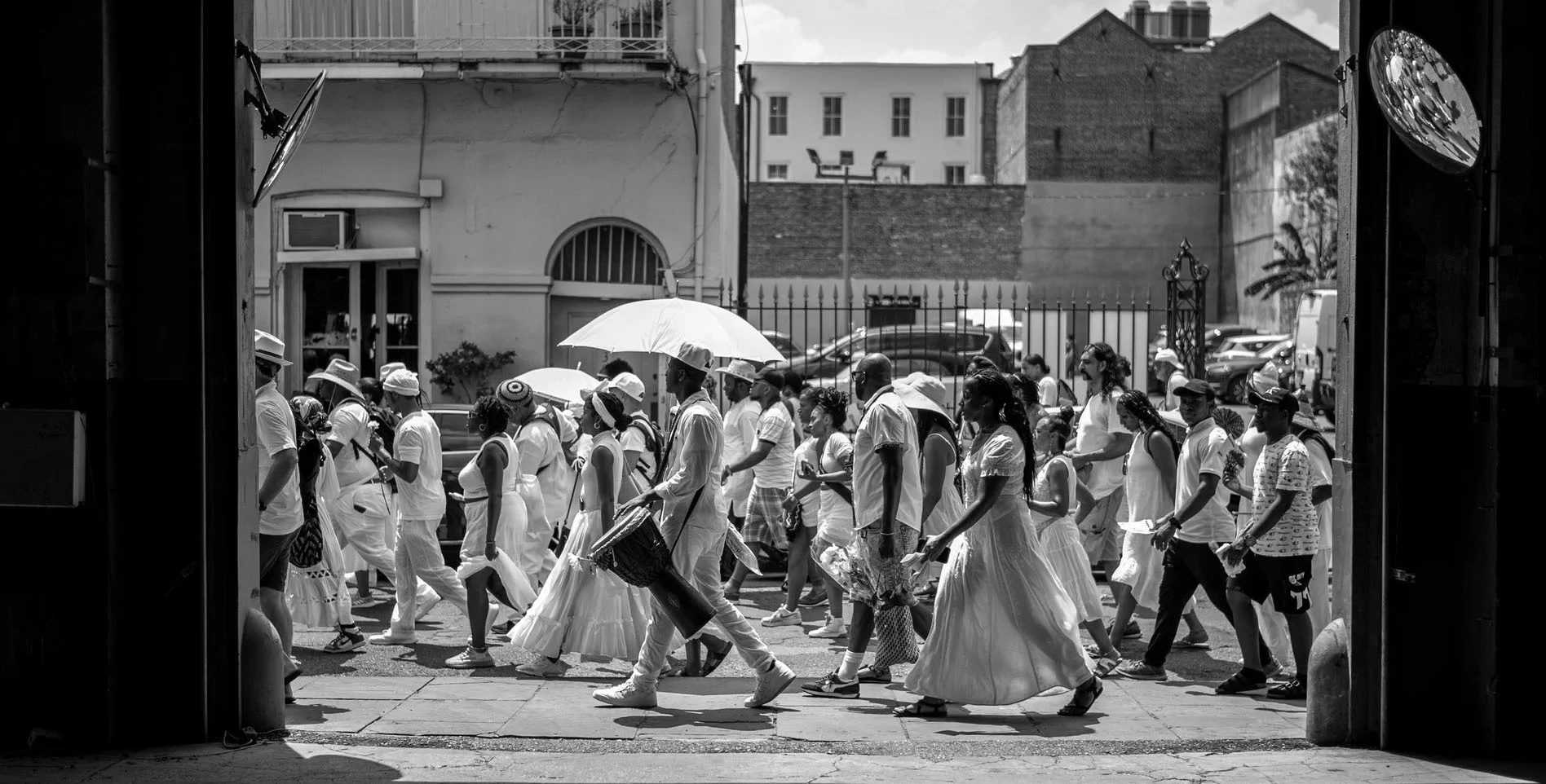
Ashé Cultural Art Center uses art and culture to advance human, community, and economic development alongside residents in Central City, New Orleans. Ashé addresses such issues as housing instability, economic exclusion, and public health disparities while fostering collaborative solutions that emerge from the community itself.
Community:
Black and Indigenous residents of New Orleans, focusing on neighborhoods deeply impacted by systemic inequities. This includes artists, culture bearers, and small business owners whose creativity and labor shape the city’s identity and economy but who remain excluded from wealth, decision-making, and opportunity.
Ecosystem Investments
- The AfriCarnaval initiative is an effort to ensure everyone who makes cultural festivals such as Mardi Gras or Jazz Festival possible receive a more equitable share of the money these events generate. Entrepreneurs and cultural producers received training, funding, and tools to develop sustainable businesses while creating and advancing policy initiatives focused on wealth-building, cultural equity, and sustainable tourism.
- The Alliance for Cultural Equity (ACE) convened more than 20 arts organizations to address systemic inequities in New Orleans’ cultural sector.
- The Building Community Power Collective engaged residents in a series of participatory policy design sessions addressing critical issues such as housing, health equity, and economic justice. Through these sessions, residents developed solutions rooted in lived experience.
The Boston Ujima Project is a democratic, member-run organization building cooperative economic infrastructure in Boston, with a mission to return wealth to working-class communities of color.
Community:
Working-class communities of color in Boston
Ecosystem Investments:
- By fostering joint fundraising, ecosystem exchanges, and tailored support, translocal partnerships strengthened a national movement for economic democracy rooted in local leadership.
- Community member-led initiatives are projects conceived and driven by community members, highlighting their role in shaping an economy rooted in their priorities, lived experiences, and values. By fostering grassroots leadership, these initiatives ensure the community’s voice and vision steer the work at every level.
- Democratically Governed Investment Fund invests in BIPoC-owned businesses, cooperatives, and community projects, ensuring wealth remains with the neighborhoods and people who create it.
- The Greater Boston Beautiful Seeds Fund, in collaboration with UpTogether, provides financial resources to individuals often excluded from wealth-building opportunities. These investments recognize and compensate community members for their roles in leading transformative efforts to strengthen and sustain Boston’s communities.
CTC works closely with residents and institutions to support equitable community change work, from efforts to minimize the adverse impact of community development, to power and capacity-building support for residents.
Community:
Black and brown residents of Memphis, focusing on neighborhoods impacted by systemic inequities, including Binghampton, the Medical District, Orange Mound, North Memphis, South Memphis, and Whitehaven.
Ecosystem Investments:
- Grief and Wellness Fund recognizes healing as a cornerstone of building community power. By addressing the emotional toll of gun violence and systemic stressors, it equips residents with grief and wellness resources, fostering environments for collective care, community-led restoration, and resilience. These healing spaces strengthen relationships and build the trust necessary for sustained action and systemic change.
- The FREEDOM Council is a resident-led body that unites local leaders to identify shared priorities, cultivate resources, and support grassroots campaigns.
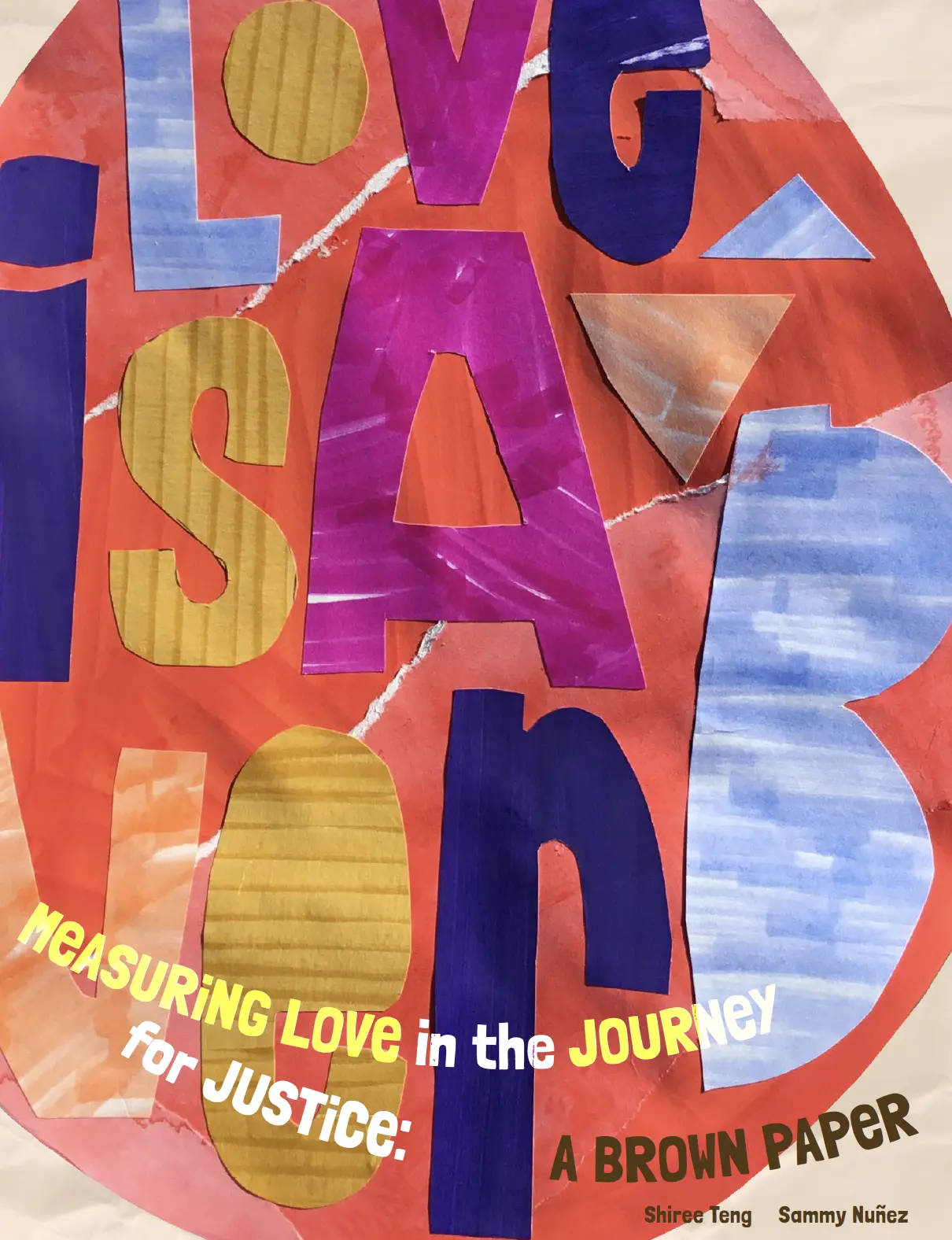
- Resident Leadership Training Program provides monetary and non-monetary support to resident leaders, enabling them to develop their leadership skills and ideas. Participants learn and practice the Measuring Love framework while collaborating on grassroots solutions such as land trusts, youth-led initiatives, and community safety projects.
- The Commons is a collaboratively designed hub that nurtures solidarity, promotes mutual aid, and maximizes the shared use of space as a critical community asset.
Northend Christian CDC strengthens Detroit’s North End by promoting urban agriculture, green jobs, cooperative businesses, and environmental beautification. These efforts drive sustainable growth, economic resilience, and a deeper connection to the community’s culture and environment.
Community:
Detroit’s North End, a historically Black community shaped by the Great Migration, white flight, the construction of I-75, and systemic disinvestment. This is a community actively resisting gentrification and exploitation while preserving its cultural identity and shaping its own future.
Ecosystem Investments:
Reactivating the Oakland Avenue Corridor Initiative This investment united roughly 20 local groups and individuals in Detroit’s North End to rebuild momentum lost during the COVID-19 pandemic. It focused on fostering collaboration, shared decision-making, conflict resolution, effective communication, and accountability. Through participatory budgeting, the group directed funds to:
- Community awards celebrating those who had long contributed to the community’s growth and resilience without formal recognition.
- Storytelling and community information access via “We Are the North End,” hyper-local digital and analog platform designed to increase residents’ access to critical information and highlight stories of community achievement, innovation, and resilience.
- Community-led working groups focused on health and wellness, land security, and the intergenerational capacity of youth and elders working together.
The Village of Arts and Humanities is a long-standing arts and community revitalization organization supporting artists and Black community residents to imagine, design, and build a more just and equitable society.
Community: Residents of the 19133 zip code in North Philadelphia, with a primary focus on the historically under-supported Fairhill-Hartranft neighborhood.
Ecosystem Investments
19133 Power Building Coalition: This investment united more than 25 local groups and individuals to reinforce, rebuild, or ignite relationships, recognize and award unrecognized contributions, and practice collectivity. Through participatory budgeting, the group directed funds to the following working group areas:
- Civic power brings in resources for political education, capacity building for nonprofits, participatory budget training for youth, de-escalation training, conflict resolution, and harm reduction initiatives.
- Wellness power supports teen third spaces, a cooperative wellness storefront, grief support groups, training on trauma-informed care, and artist engagement across and within working groups.
- Information power supports neighborhood signage and wayfinding, enabled a neighborhood resources website, and circulates information among the 19133 community.
- Land power increases equitable access to and community ownership of land in Fairhill-Hartranft by practicing collective action to reopen and program the Veteran’s Memorial Playground and Hartranft community center, provides education and resources that support community land ownership, and provides local food enterprises access to community kitchens.
Asian Arts Initiative builds community through the power of art and by connecting cultural expression and social change.
Community: Pan-Asian communities and allies in Philadelphia, with emphasis on the Chinatown neighborhood.
Ecosystem Investments
- Power Awards celebrated the contributions of more than 30 local groups and individuals recognized for their leadership in preserving cultural integrity, empowering youth, and resisting historical and ongoing threats of resident displacement.
- Support for the Save Chinatown Coalition enabled Asian Americans United to conduct a citywide survey of Philadelphia residents, gathering public input on development plans affecting Chinatown. This initiative documented and amplified residents’ values and priorities.
- [In development] Culture & Community Power Working Group will utilize participatory budgeting and collective decision-making processes to advance its community centered goals.
In 2025, we invested nearly $800k in several communities in Massachusetts, including Chinatown-Boston, Chelsea, and Berkshire County in Western Mass. By communicating with core organizations in these areas, we identified other investments to support the community power-building ecosystem throughout the region.
The mission of the Chinatown Community Land Trust is to stabilize the future of Chinatown as a neighborhood for working class families and a regional hub for the Greater Boston Chinese community. Its members work for community control of the land, development without displacement, permanently affordable housing, and shared neighborhood spaces, consistent with the vision of the Chinatown Master Plan.
Asian Community Development Corporation (ACDC) invests in Asian American and low-income communities by creating and preserving affordable and vibrant neighborhoods in Chinatown and Greater Boston.
Boston Chinatown Neighborhood Center’s (BCNC) mission is to ensure that children, youth, and families have the resources and supports they need to achieve greater economic success and social well-being.
BCNC collaborated with Bunker Hill Community College to establish Boston Chinatown’s first arts and cultural center in 2017. The Pao Art Center celebrates and strengthens the Asian American Pacific Islander (AAPI) community of Chinatown and Greater Boston through access to culturally relevant art, education, and creative programs.
As a trusted resource for Massachusetts’ immigrant population, La Colaborativa provides linguistically and culturally appropriate resources to some of the state’s most vulnerable people, including immigrant families, non-English speakers, and low-income renters and workers.
Founded in 2007, BRIDGE (Berkshire Resources for Integration of Diverse Groups and Education) is a grassroots organization dedicated to advancing equity and justice by promoting cultural competence, positive psychology, and mutual understanding and acceptance. The organization, a minority and women-run non-profit in Massachusetts’ Berkshire County, acts as a catalyst for change through collaboration, education, training, dialogue, fellowship and advocacy.
We also provided funding to support BRIDGE’s community power building work, including its mutual aid food program, working with local farmers and community gardeners, and its work as the coordinator of the Community Health Improvement Plan (CHIP) for Berkshire County.
Over the course of six years, we have invested more than $620K in grassroots organizations building new offerings or testing new ideas. These catalytic investments help communities respond to emerging opportunities and challenges.
Youth First Justice Collaborative is piloting a learning community focused on culture and power-building, bringing together youth organizers from statewide campaigns in Memphis, New Mexico, and Detroit. Each team will develop a project that harnesses culture to strengthen and advance the youth justice movement.
Movida Initiative, a newly established democracy lab for Latinos, is creating a platform for Latinos in the Midwest to shape democracy on their own terms. Through research, media, culture, organizing, and entrepreneurship, they are amplifying their power and driving collective change.
University of Orange is deepening its place-based organizing through Planning to Stay, a resident-led coalition in Orange, New Jersey, that weaves cultural strategies into civic engagement, bringing people and groups together to shape a shared vision for the city’s future.
Houston in Action is piloting a learning and building cohort wherein three organizations are deepening their practice of integrating culture into organizing strategies that build power.
Centro Binacional para el Desarrollos Indígena Oaxaqueño (CBDIO) was created by and for Indigenous communities in rural California to organize and make sure their communities’ culture, languages, and knowledge are recognized and respected by the systems and institutions that impact their lives. CBDIO’s goal is simple: the self-determination of Indigenous people.
Pan Valley Institute (PVI) is an immigrant-led, popular education organization based in Fresno, California. It emphasizes women, youth, and Indigenous populations and expands its cross-generational work to other counties in the San Joaquin Valley, including Tulare, Merced, and Madera. PVI fosters active citizenship and offers intergenerational learning spaces for immigrants and refugees to realize their possibilities of becoming social actors of change.
PVI builds spaces where immigrants and refugees can learn from each other, develop a sense of belonging, reclaim their cultural rights, and prepare to create caring and culturally vibrant communities.