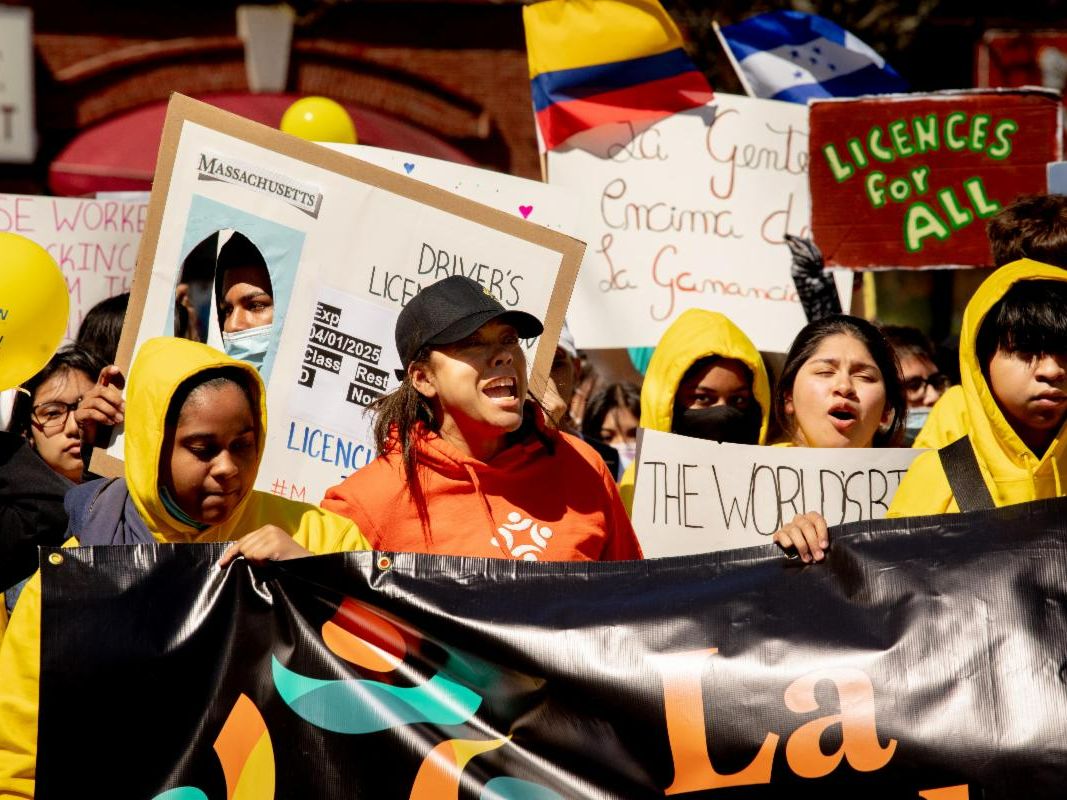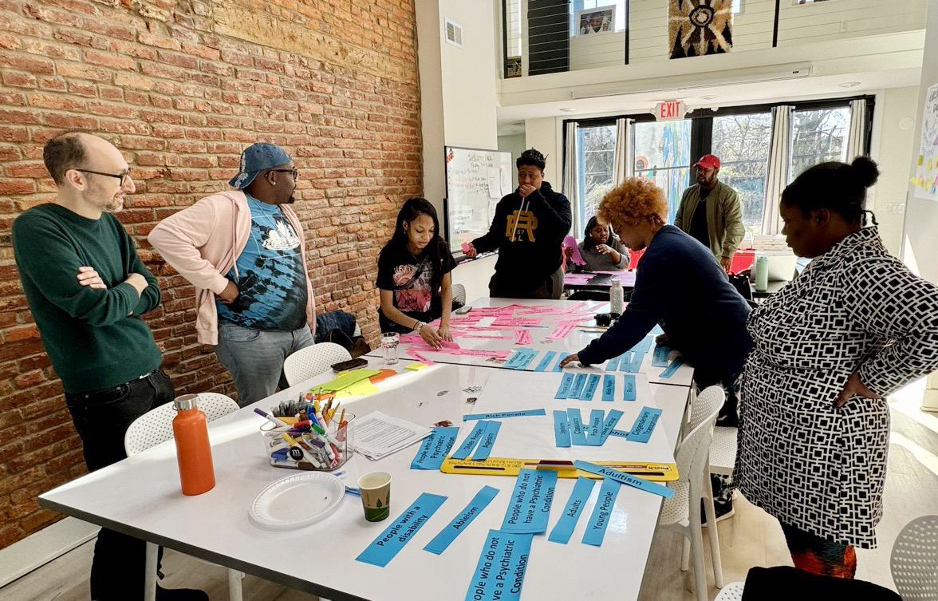
The Assembly of Black Possibilities gathered practitioners of solidarity economics in Chicago last September to discuss ways to put money and resources into the hands of communities harmed by white supremacy—with the belief that communities know best what they need.
And it was another chance to come together for member organizations of The Culture & Community Power Fund, a national funders’ collaborative that supports organizations working on the front lines of communities impacted by systemic oppression. C&CPF sends these organizations unrestricted, flexible gifts that they can distribute within the community as they see fit.
Walking into the reception with big smiles on their faces, one participant, Cierra Peters from the Boston Ujima Project, screamed and ran to hug another woman, LaShaunda Pickett-Renee, the chief equity and executive officer of Ashé Cultural Arts Center in New Orleans. Practitioners from more than six cities laughed, swapped stories, finished each other’s sentences, and got fired up for the next day’s presentations at The Assembly of Black Possibilities. That everyone was having a great time was a testament to the joy that has emerged from these partnerships.
The partner organizations don’t just work within their own communities; they also learn from each other. Erik Takeshita, director of C&CPF, calls this “translocal learning”—a self-directed practice in which organizations use C&CPF funds to visit one another’s neighborhoods, bring community members along, and exchange ideas in ways that feel authentic and reciprocal.
“Community power isn’t built and effectuated by a single organization,” says Takeshita. “It’s actually a whole ecosystem. Philanthropy has pitted folks against each other. We’ve tried to turn that upside down.”